Transforming urbanisation for smarter, safer and healthier cities
How cities are facing these challenges
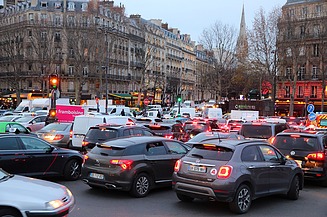
Traffic is a major contributor to pollution, which in many places reaches levels harmful to human health. As a result, congested, polluted, and noisy urban environments are less attractive for both residents and businesses. This not only impacts quality of life but also harms the economy through reduced productivity and higher costs caused by congestion.
To tackle issues such as poor air quality, noise, congestion, and declining quality of life, many cities are introducing urban management schemes. These initiatives aim to improve public health, encourage cycling and walking, and enhance the overall city experience.
A common approach is the application of intelligent traffic solutions, often implemented through a mix of complementary measures such as:
- City Access Regulation (CAR) / Restricted Traffic Areas (RTA)
- Clean Air Zones (CAZs) or Low / Zero Emission Zones (LEZ / ZEZ)
- Urban road tolls or congestion charging
Restricted Traffic Areas (RTA’s)
Thousands of European cities use access regulations to restrict vehicles from entering certain parts of the city. Typically, only local residents and registered vehicles are permitted, helping to protect historic centers and reduce traffic volumes.
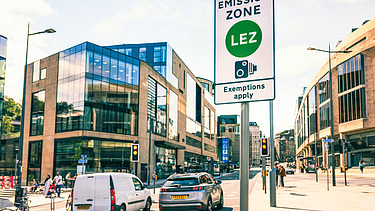
Low Emission Zones (LEZ’s)
LEZs focus on environmental protection by limiting access to vehicles that do not meet specific emission standards. These zones target the reduction of harmful pollutants and support cleaner urban mobility.
Urban road tolls / congestion charging
By charging fees for access to defined city zones, authorities can directly influence traffic flow. Such measures not only discourage unnecessary car trips but also encourage the use of public transport and other resilient mobility options.
Flexible control methods for urban mobility schemes
The effectiveness of these schemes depends on flexible control methods and regulations. Access rules can be permanent or time-dependent, varying during rush hours or episodes of high pollution. Criteria may include vehicle emissions, weight, or axle count. Payment models can also differ, from exemptions for residents and public service vehicles, to fixed or variable fees based on travel frequency or environmental impact.
By combining these measures intelligently, cities can better align traffic management with strategic goals such as liveability, and economic vitality.

Looking for the right urban solution?
Explore our portfolio and discover how EFKON is driving innovation in intelligent transportation systems.
More Information